
Targeted radiation and biologic cancer drugs have fewer serious side effects than we thought they would.
People are often afraid of cancer treatment because of the side effects. A lot of people are afraid that treatment will make them very sick or weak. But new research is giving us good news. Studies have shown that less than 10% of patients have serious side effects when they get targeted radiation and biologic cancer drugs at the same time. This is a big step forward in cancer care and will make patients and their families feel better.
Why It’s Important to Combine Biologic Drugs and Targeted Radiation
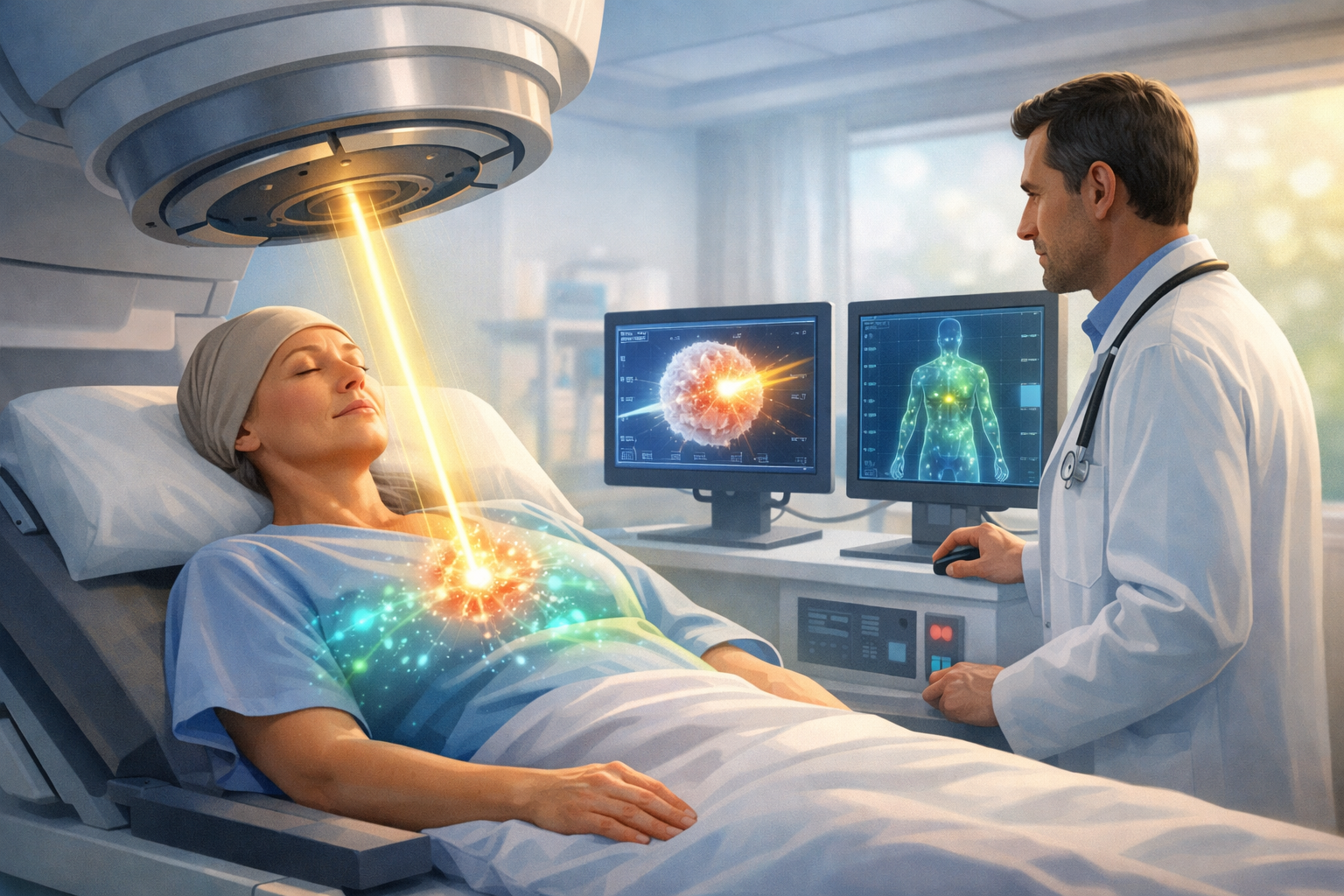
Targeted radiation therapy is not the same as regular radiation therapy. It doesn’t affect large areas of the body; instead, it targets the cancer cells directly. This helps keep healthy tissues from getting hurt. Biologic cancer drugs, which are also called targeted or immune-based therapies, help the immune system fight cancer or stop cancer cells from getting the signals they need to grow.
These two treatments can work together when they are used together. The radiation weakens or kills cancer cells, and the biologic drug helps the body find and kill the rest. The main worry has always been whether combining treatments would make bad side effects worse. Recent studies show that less than 10% of patients had serious side effects, which is good news.
Most patients only had mild to moderate problems, like tiredness, skin irritation, or mild swelling. There weren’t many serious problems. This meant that a lot of patients could keep getting treatment without too many breaks and have a better quality of life.
This is great news for patients. It implies that physicians can implement more robust and efficacious treatment regimens without significantly elevating risks. It gives caregivers and families hope that cancer treatment can work and be safer at the same time.
Putting targeted radiation and biologic cancer drugs together seems to be harder on cancer and easier on the rest of the body. As research goes on, this method may become a common way to treat different kinds of cancer, giving better results with fewer serious side effects.