

Parental Stress and Child Anxiety: What Every Parent Should Know
Psychology Today and the National Institutes of Health (NIH) are two reliable sources that have shared research that shows something very important: when parents are stressed, kids often feel it too. Adults don’t keep stress to themselves. It can be passed on to kids through the way you talk, what you do, and how you react every day. Kids may get anxious, scared, or act out when this happens a lot.
Parents today have a lot on their plates, including work, money, health issues, and being a parent. If stress doesn’t go away, kids may start to feel unsafe or worried, even if no one tells them what’s wrong. Kids learn by watching. Kids may copy how their parents feel if they are always tense, angry, or stressed out. This can hurt their sleep, schoolwork, and emotional growth over time.
How Taking Care of Yourself Benefits Your Child
It’s not selfish to take care of your own mental health; it’s a gift to your child. Your home feels calmer and safer when you can handle stress better. Kids feel better when their parents don’t get angry or scared when they talk to them.
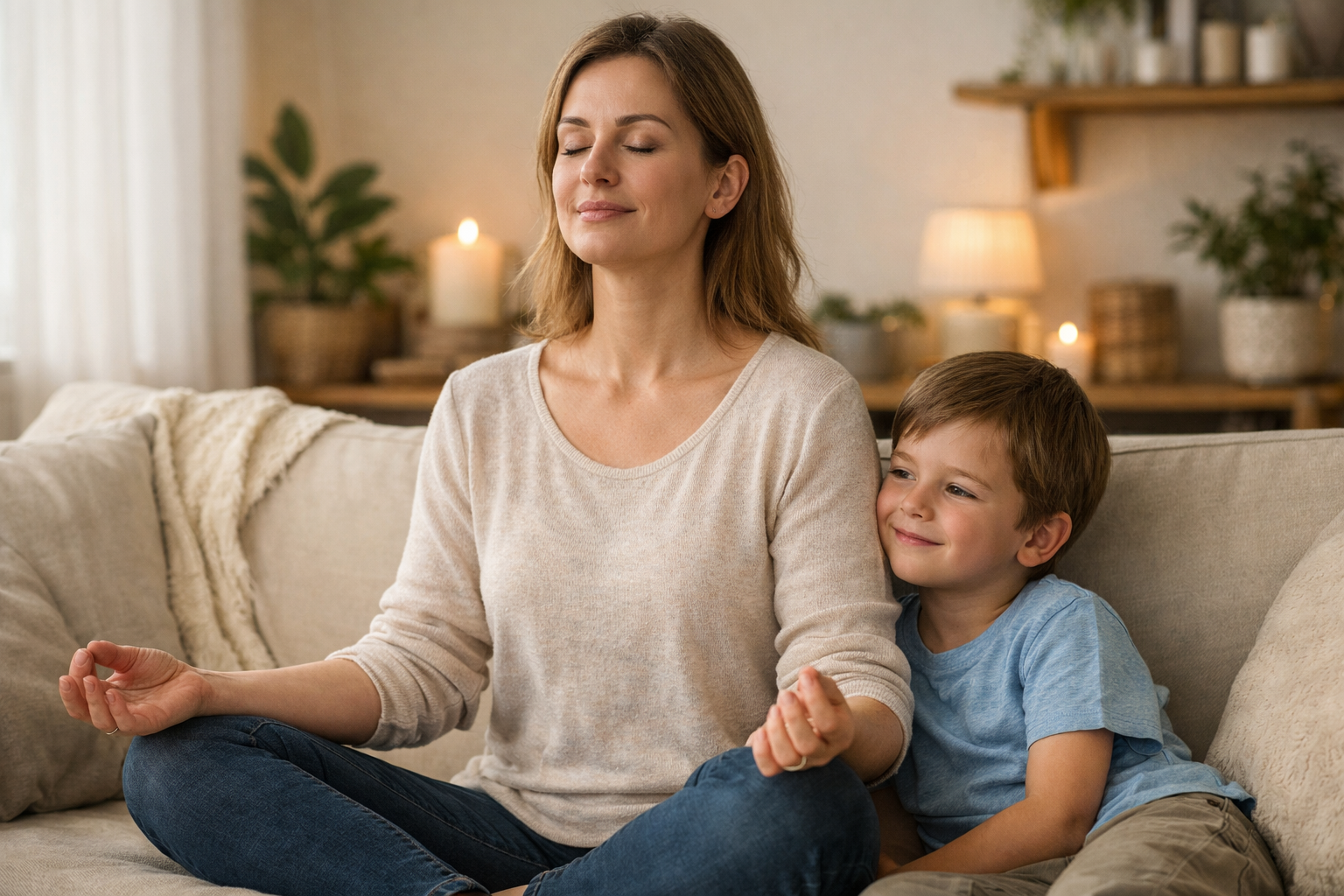
Things like being mindful can make a big difference. Being mindful means taking your time, breathing deeply, and being present. Stress can go down with just five minutes a day. Support networks are also helpful. Parents can remember that they are not alone by talking to friends, family members, or support groups. Talking about your worries with someone else can help.
Getting enough sleep, exercising lightly, and setting small limits are all good habits that can help lower stress. When parents are balanced, their kids naturally benefit. They feel less anxious, act better, and get better at handling their emotions.
In short, taking care of yourself also takes care of your child. A parent who is calmer helps their child be calmer and happier. Put yourself first; it helps everyone in the family.