


Can Magnesium Help Your Teeth? The Truth About Salt and Tooth Health
A lot of people say that taking a pinch of salt, magnesium, and goat milk every morning for 14 days can regrow your teeth and make your teeth healthier. It sounds easy and strong, but how true is it? Let’s make it very clear what works and what doesn’t for your teeth.
Magnesium, calcium, and salt are important for dental health.
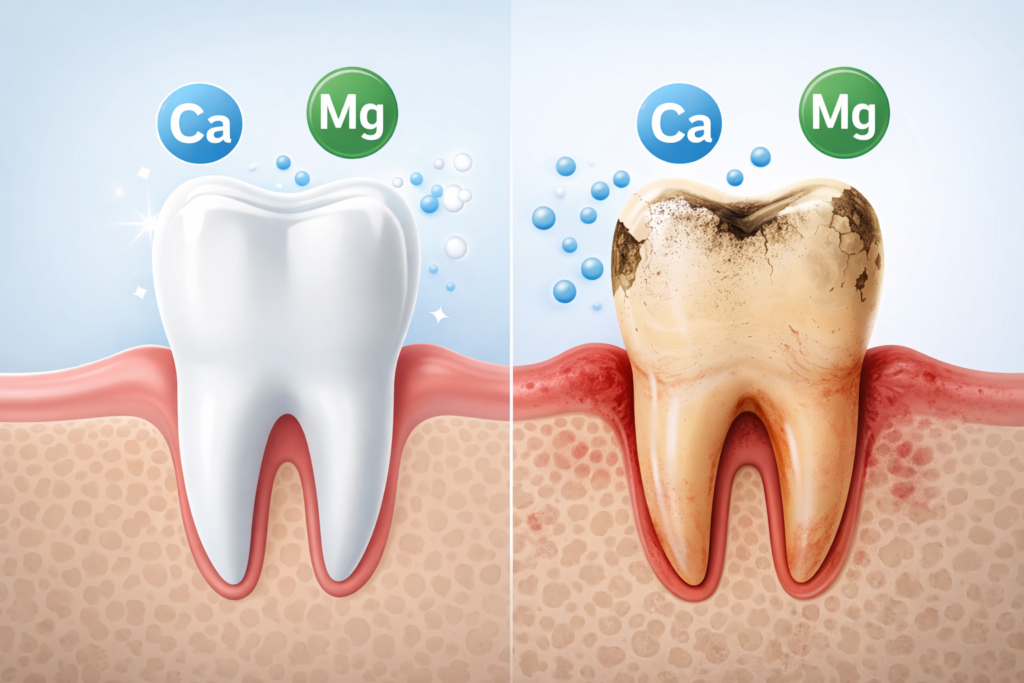
Your body needs magnesium a lot. A lot of people all over the world don’t get enough of it, in fact. It helps your body use calcium in the right way. If you don’t get enough magnesium, your body may not be able to absorb calcium well. This can hurt your teeth and bones.
Calcium and phosphorus are two minerals that make up your teeth. Magnesium helps these minerals work the way they should. So yes, if you don’t get enough magnesium, your teeth and gums may hurt. You might have weak enamel, bleeding gums, or even problems with your bones.
Salt, especially natural salts like Himalayan salt or sea salt, has small amounts of minerals in it. Some people think that taking a small amount every day can help balance electrolytes and get more minerals. But most people shouldn’t take 5 to 10 grams of salt every morning because it can raise blood pressure or hurt your kidneys over time.
Goat milk is also good for you. It has calcium, magnesium, and other minerals that are good for your teeth and bones. Adding it to your diet can help, but it’s not a magic cure.
The truth is that magnesium, calcium, and a healthy diet can help keep your teeth healthy, but they won’t magically grow back once they’ve fallen out.
Can teeth really grow back? What Science Says
We need to be very clear about this. When teeth get damaged or lost, they don’t completely grow back. Teeth don’t heal completely like bones do because they don’t have the same living tissue structure.
But it’s important to know that you can sometimes fix early tooth damage. This is called remineralization. When your enamel starts to break down, your body can use minerals like calcium, phosphate, and fluoride to rebuild it a little bit.
This means that eating well, which includes getting enough magnesium, can help keep your teeth healthy and strong. It might even help fix damage to the enamel that has already happened. That’s probably why some people notice that their dental checkups are better after they eat better.
But this isn’t the same as “growing teeth back.” Only dental treatments like fillings, crowns, or implants can fix a tooth that is badly decayed or missing.
Also, claims that supplements can cross the “blood-brain barrier” or instantly rebuild teeth are often blown out of proportion. Magnesium supplements can be good for your health, but you should only take them in safe amounts and with the advice of a doctor.
There isn’t one magic trick for taking care of your teeth. It’s a mix of habits:
- Eating a healthy diet that is high in calcium and magnesium
- Flossing and brushing every day
- Not eating too much sugar
- Going to the dentist on a regular basis
Eating foods high in magnesium, like leafy greens, nuts, seeds, and even goat milk, can help keep your teeth healthy. But be careful with extreme claims, especially those that say you can eat a lot of salt or “instant tooth regrowth.”
Yes, your teeth are alive, but that doesn’t mean you can skip steps when caring for them.