
Why Some People Get White or Blue Fingers When They Are Cold or Stressed
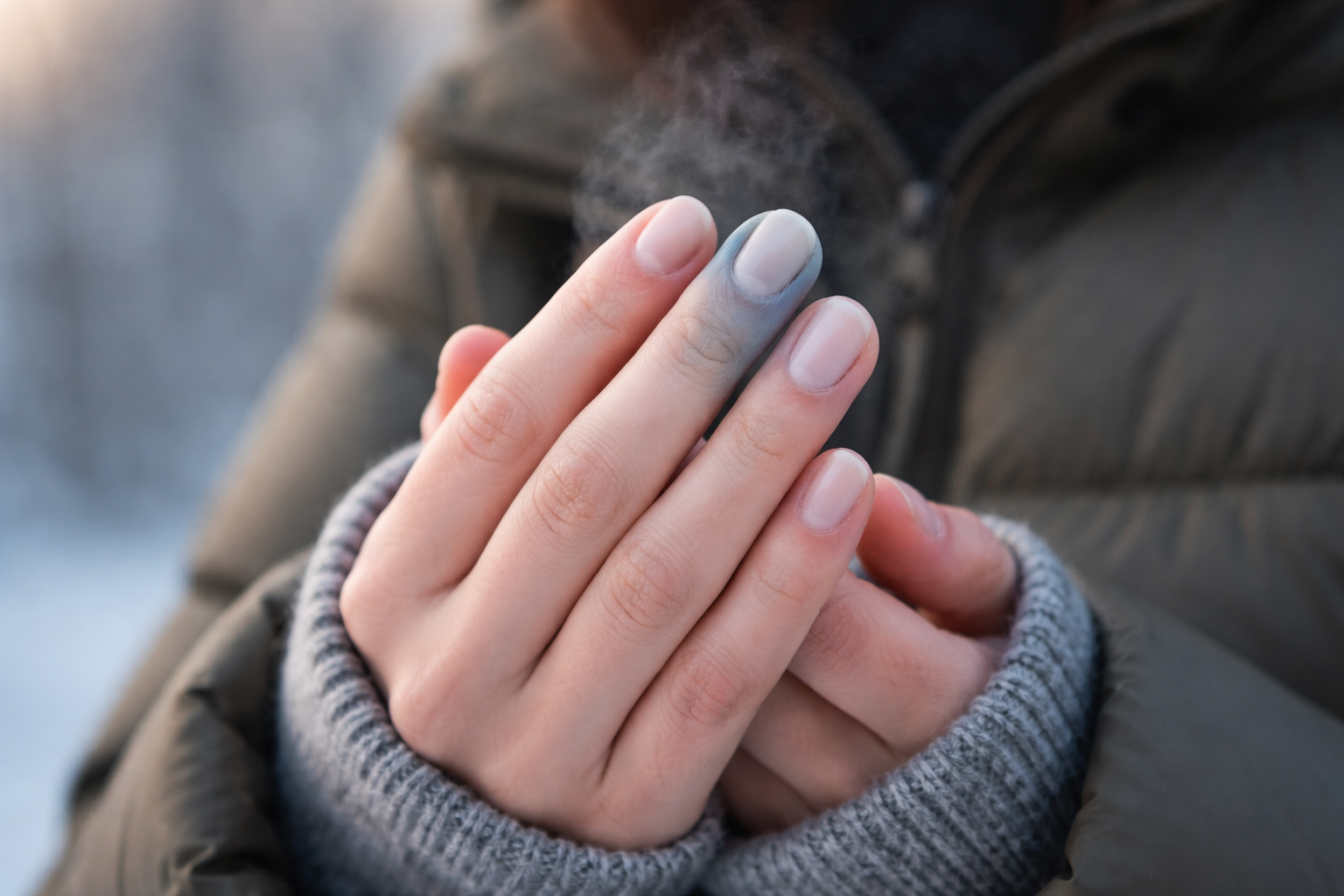
Have you ever seen someone whose fingers suddenly turn white, pale, or even blue when they are cold or stressed? This can look scary, but for a lot of people, it’s a sign of Raynaud’s phenomenon. This condition changes how blood flows to the fingers and sometimes the toes.
Blood normally flows freely through small blood vessels to keep the skin warm and pink. But people with Raynaud’s phenomenon can have these blood vessels tighten too much when it’s cold or when they’re stressed. When this happens, the fingers don’t get as much blood. Because of this, the fingers may turn blue or white and feel cold, numb, or tingly.
Comprehending Raynaud’s Phenomenon
Raynaud’s phenomenon happens more often in women and usually starts in their early 20s. For a lot of people, it’s not a big deal and doesn’t cause any problems. The change in color usually happens in steps. The fingers turn white first because blood flow slows down. Then they might look blue because the skin doesn’t get enough oxygen. When the hands get warm or the stress goes away, blood comes back, and the fingers can turn red and feel warm or even hurt.
The most common cause is cold weather. Holding a cold drink, going into an air-conditioned room, or washing your hands with cold water are all simple things that can set off an episode. It can also happen when someone is under a lot of emotional stress, even if they are not cold.
The good news is that most people can get better with some simple changes to their daily lives. Wearing gloves in the cold, keeping your body warm, managing stress, and not smoking can all help a lot with symptoms. In more serious cases, a doctor may suggest drugs to help blood flow better.
If your fingers change color often, stay that way for a long time, or hurt or get sores, you should see a doctor for the right care and advice.