
Why Nutrition Labels Confuse So Many People and How to Fix It
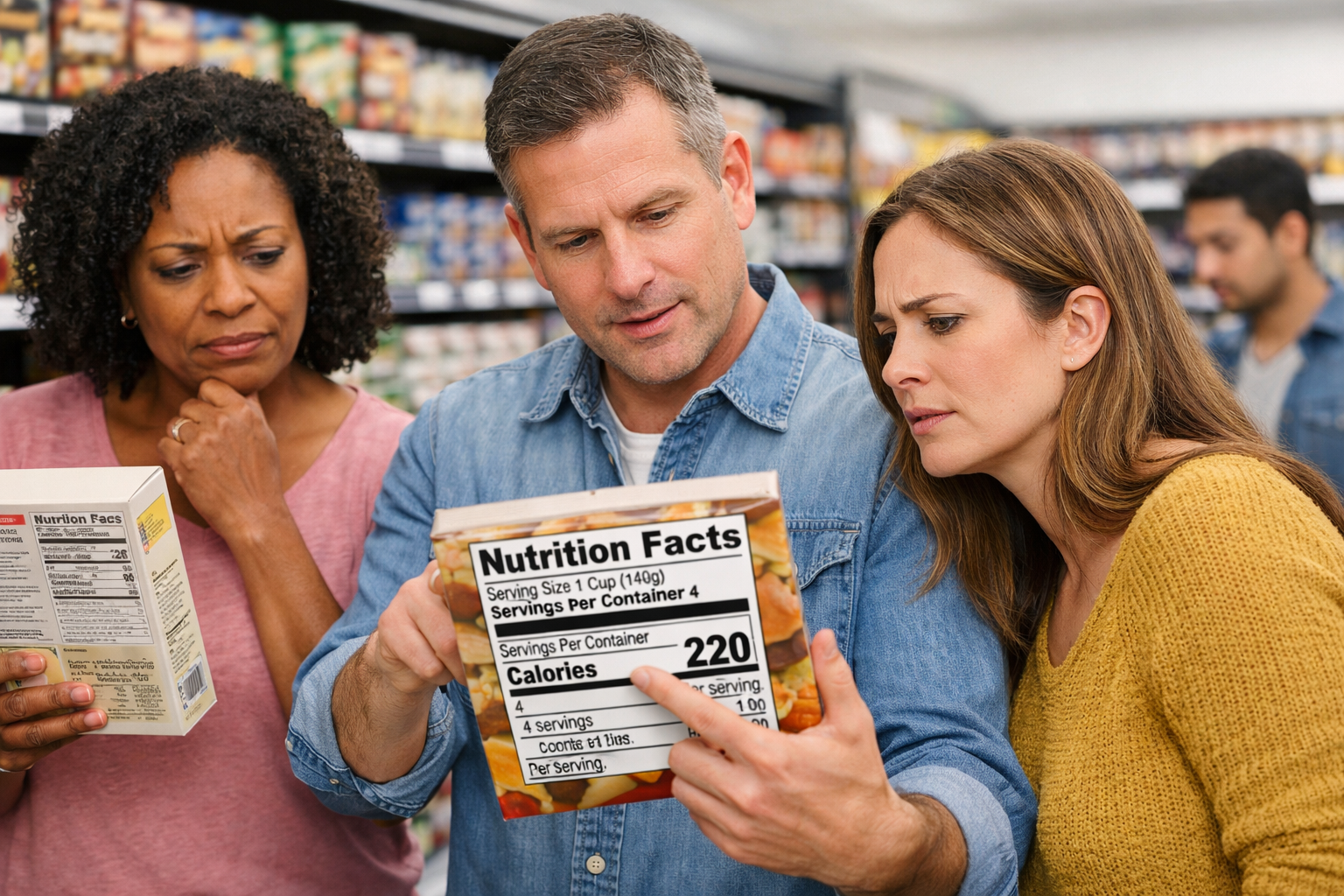
Nutrition labels should help us choose healthier foods. But for a lot of people, it does the opposite. A 2025 NSF survey of 1,000 adults in the U.S. found that 1 in 5 people have trouble understanding nutrition labels. This issue isn’t new. In 2013, CDC data also showed that 21% to 42% of adults got important information wrong, especially the number of calories per container. People who are confused may eat too much, gain weight, and make bad health choices.
There are a lot of numbers, percentages, and small print on most nutrition labels. This can be too much for someone who hasn’t studied nutrition. Because of this, a lot of people either guess or don’t look at the label at all. Not paying attention to serving size and not understanding % Daily Value are two of the most common mistakes.
The Most Common Errors People Make When Reading Nutrition Labels
The first thing you did wrong was not check the serving size. A lot of packages have more than one serving, but people think the numbers apply to the whole pack. If a snack says it has 150 calories per serving but has two servings, eating the whole pack means you eat 300 calories, not 150.
The second problem is the % Daily Value (%DV). A lot of people think that a higher number is always better. In reality, %DV tells you how much of a nutrient you need each day. A high %DV for fiber is good, but a high %DV for sugar, salt, or saturated fat is not.
Another common mistake is only looking at the “low fat” or “sugar-free” claims on the front of the pack and not the full nutrition facts. These statements might not be true.
To read nutrition labels better, always check the serving size, look at the calories per container, and remember that %DV tells you what to limit and what to get more of. Learning these things can help you make better health choices every day.